

FRIEZE LONDON
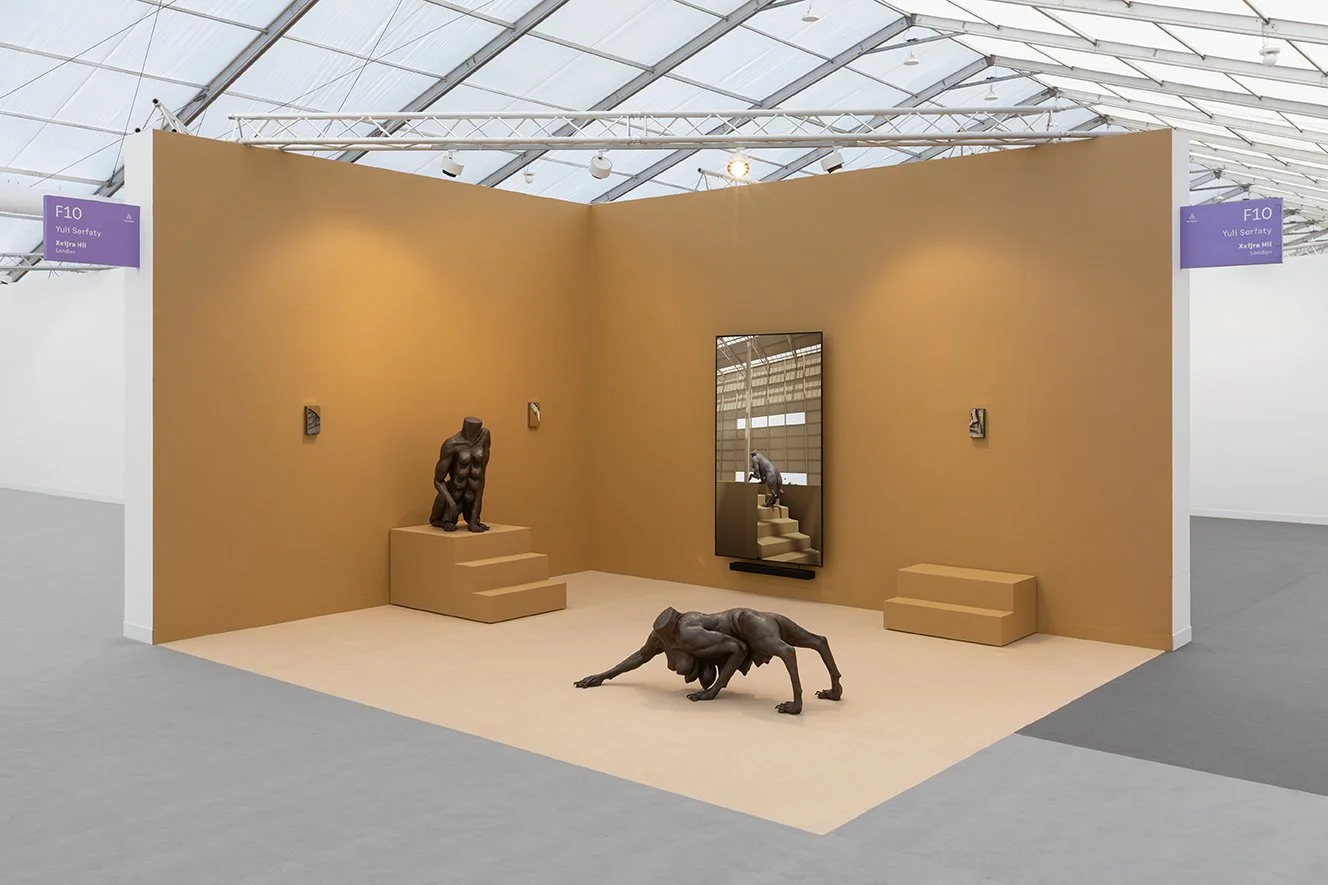
A solo presentation of all new work by Yuli Serfaty
On view at stand F10 Focus section | Frieze London | October 14th - 18th 2026
The Regents Park, Pk Sq W, London NW1 4LL
Available works
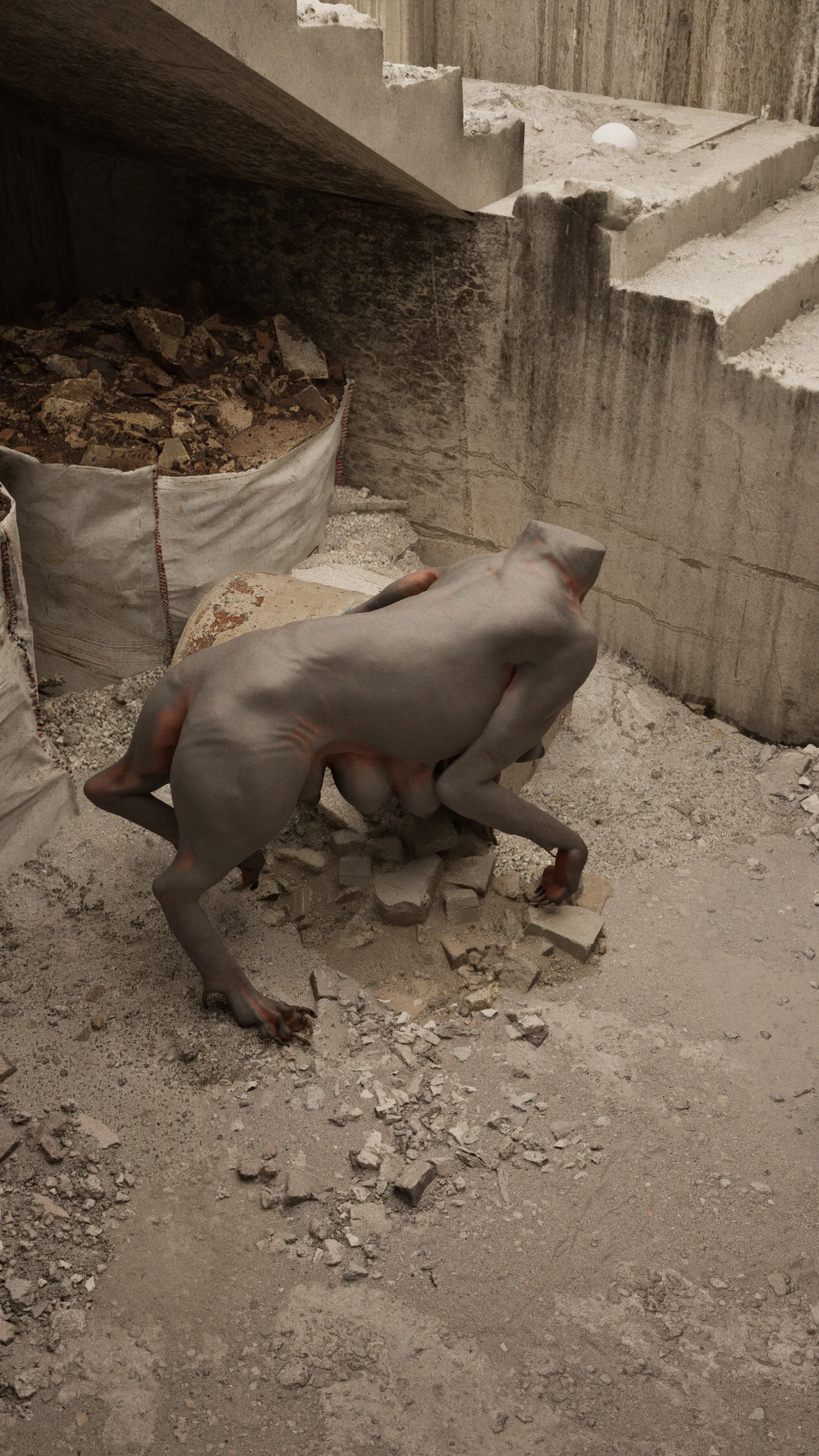
00:09:26, 4K Vertical Resolution Game Engine, Good Girl, Sound and music by I. Nakhla, Character rigging by Matti Vilho
Edition of 2 + 2AP - 1 remaining
2026
Please enquire for a viewing link
£7,000 GBP
Enquire here
Click a work to see more images
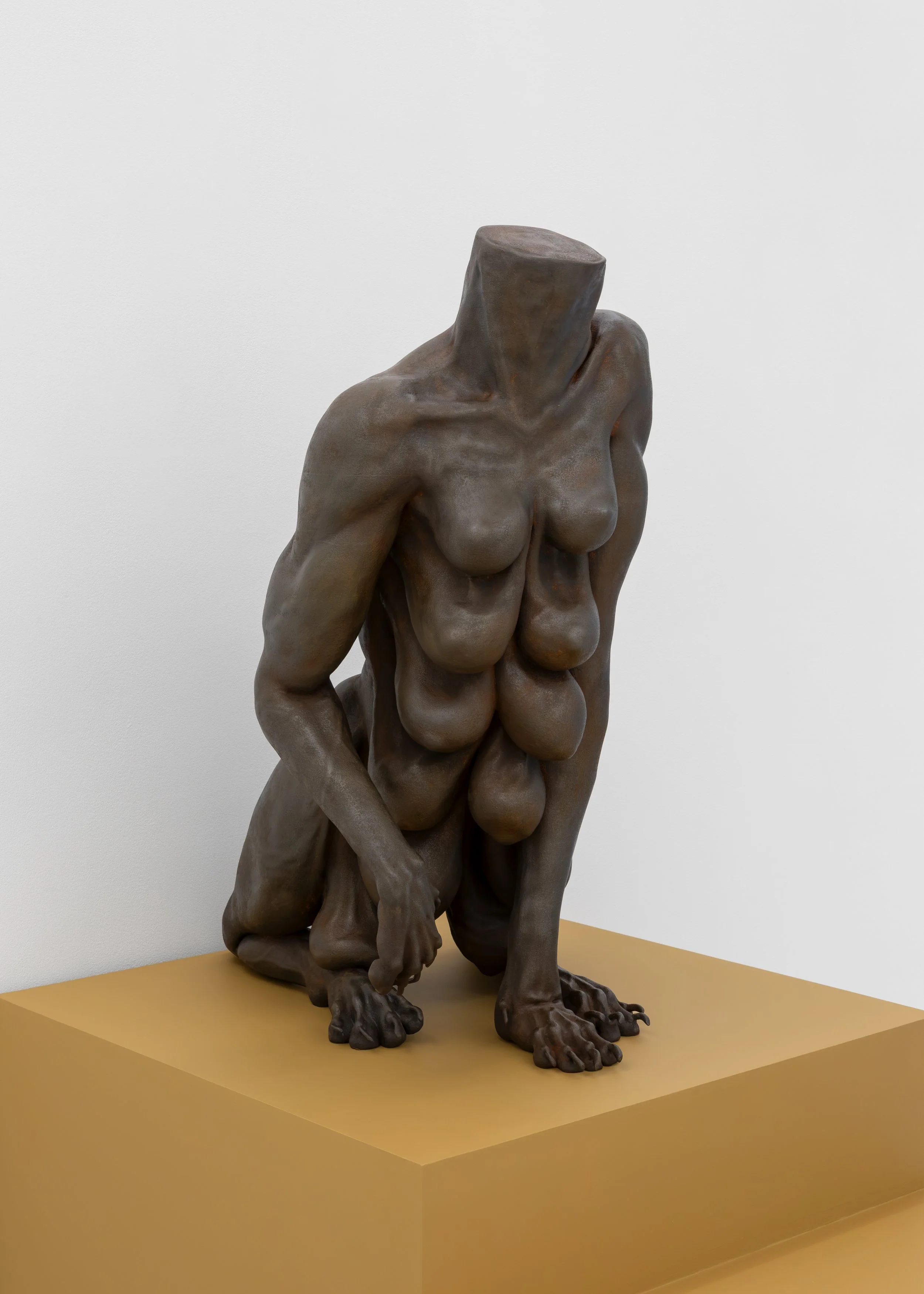
PETG, DGEBA, iron, 1.8mil polygons, Weatherproof coating
88 x 56 x 38 cm
2026
£12,300 GBP
Enquire here
This work is suitable for outdoors. Please enquire for further detail.
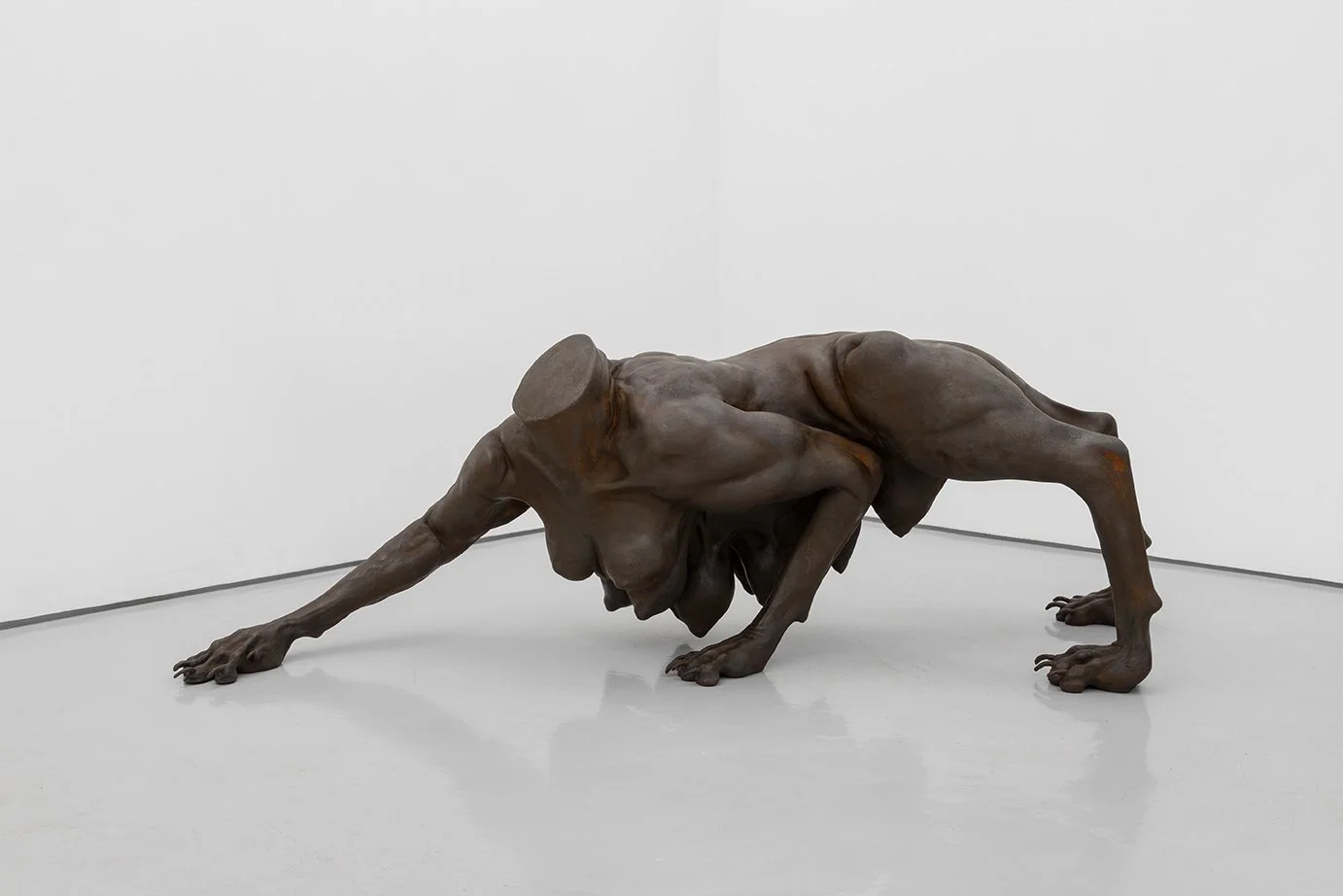
PETG, DGEBA, iron, 2.1mil polygons, Weatherproof coating
140 x 50 x 35 cm
2026
£12,500 GBP
Enquire here
This work is suitable for outdoors. Please enquire for further detail.
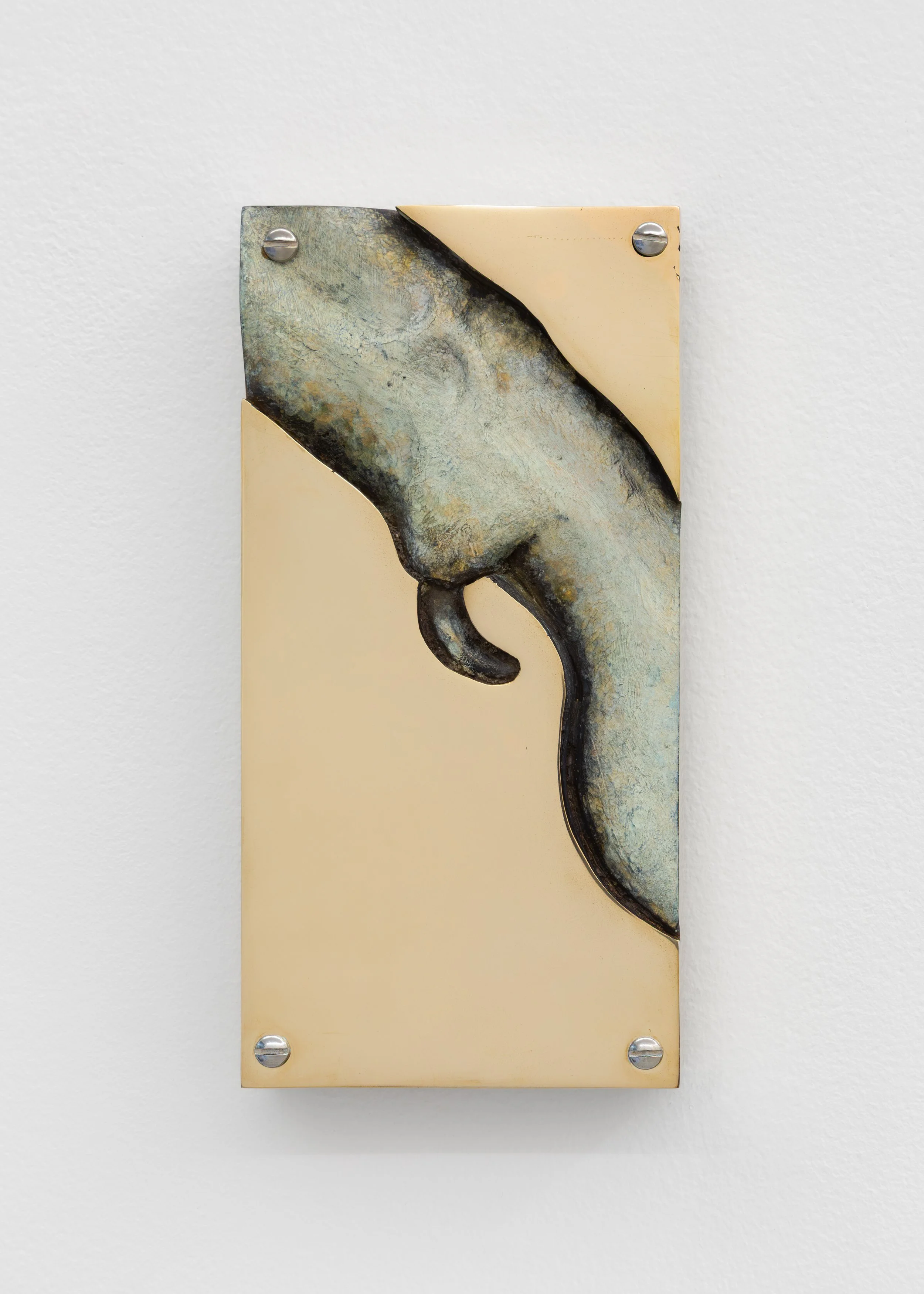
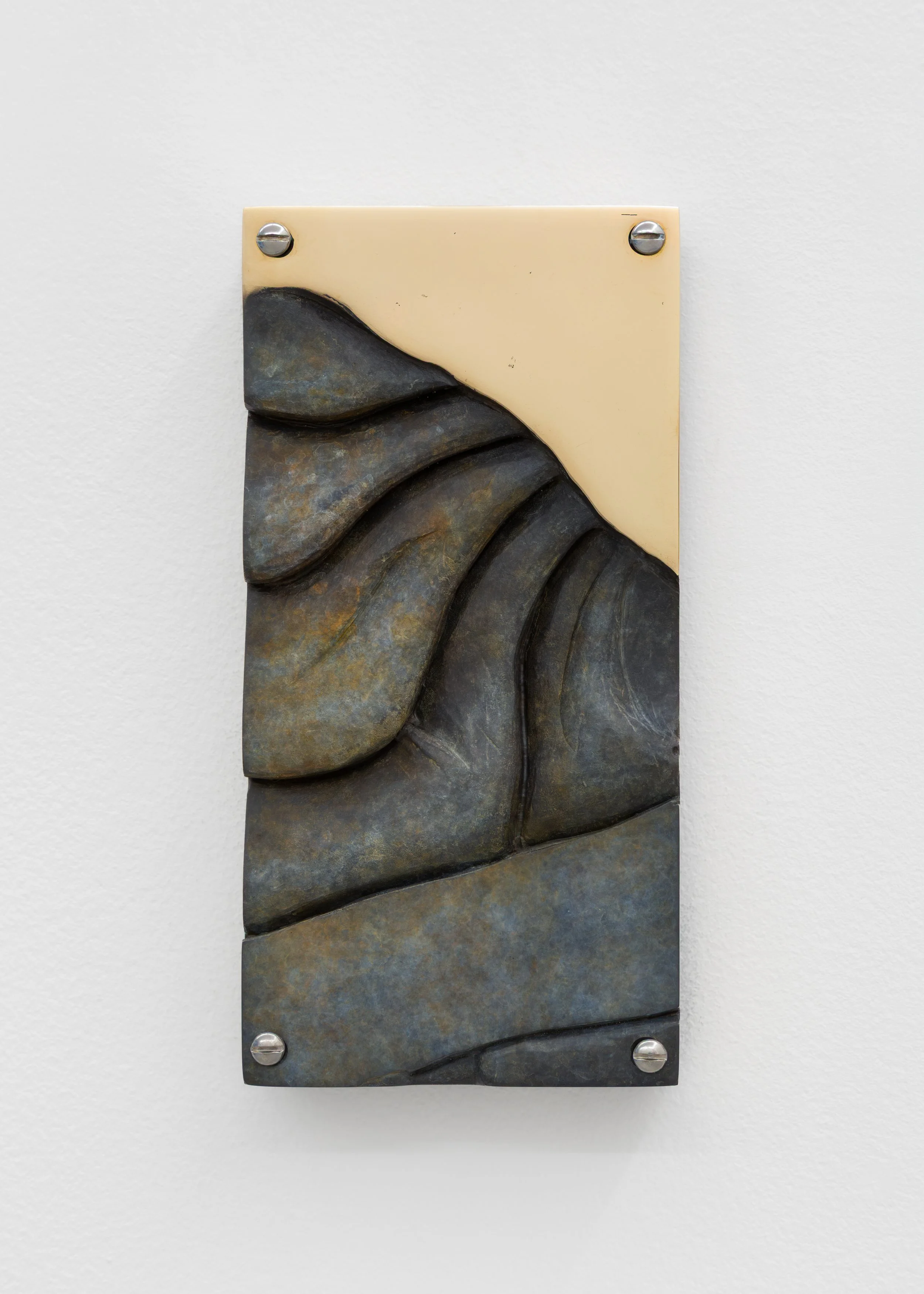
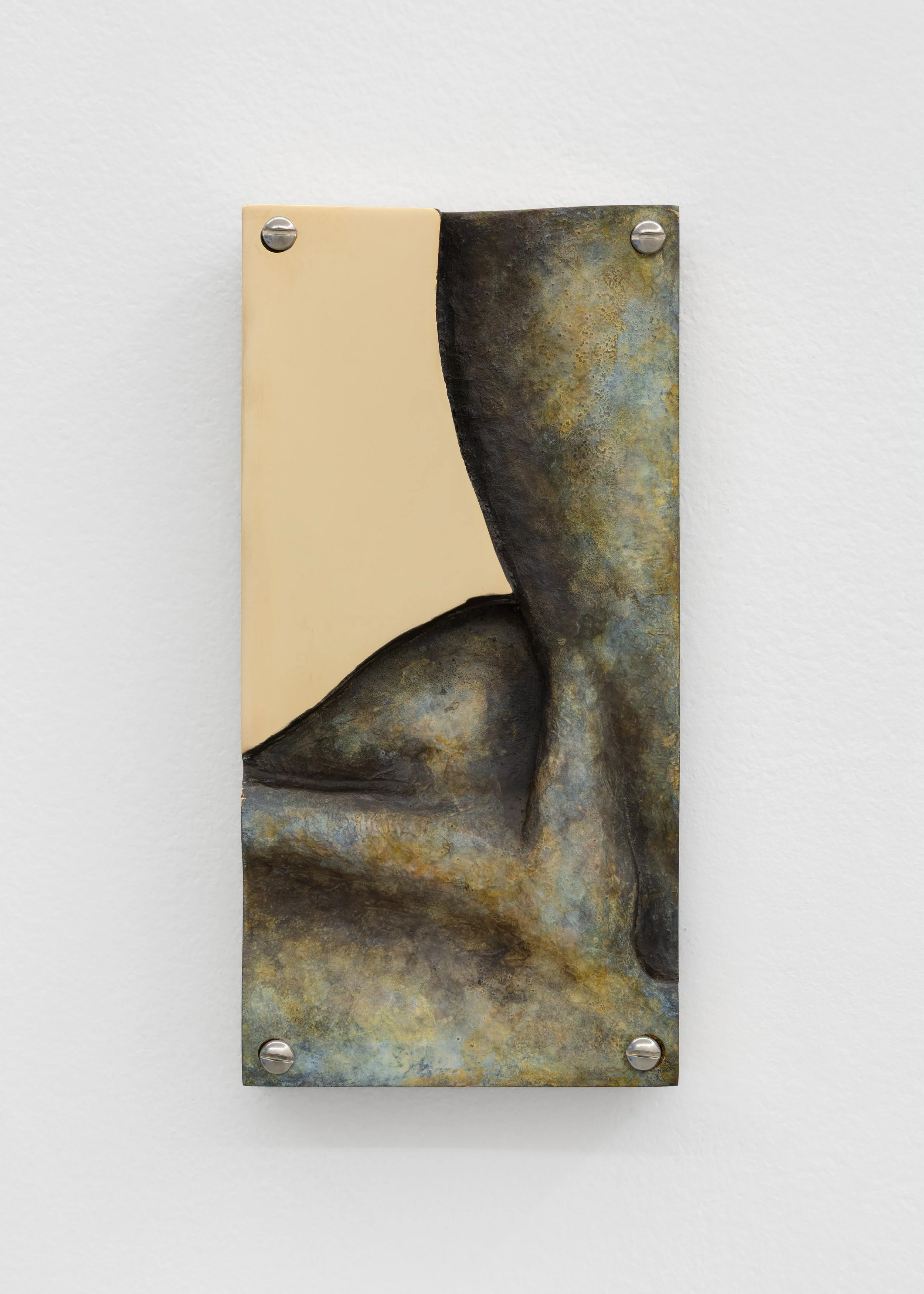
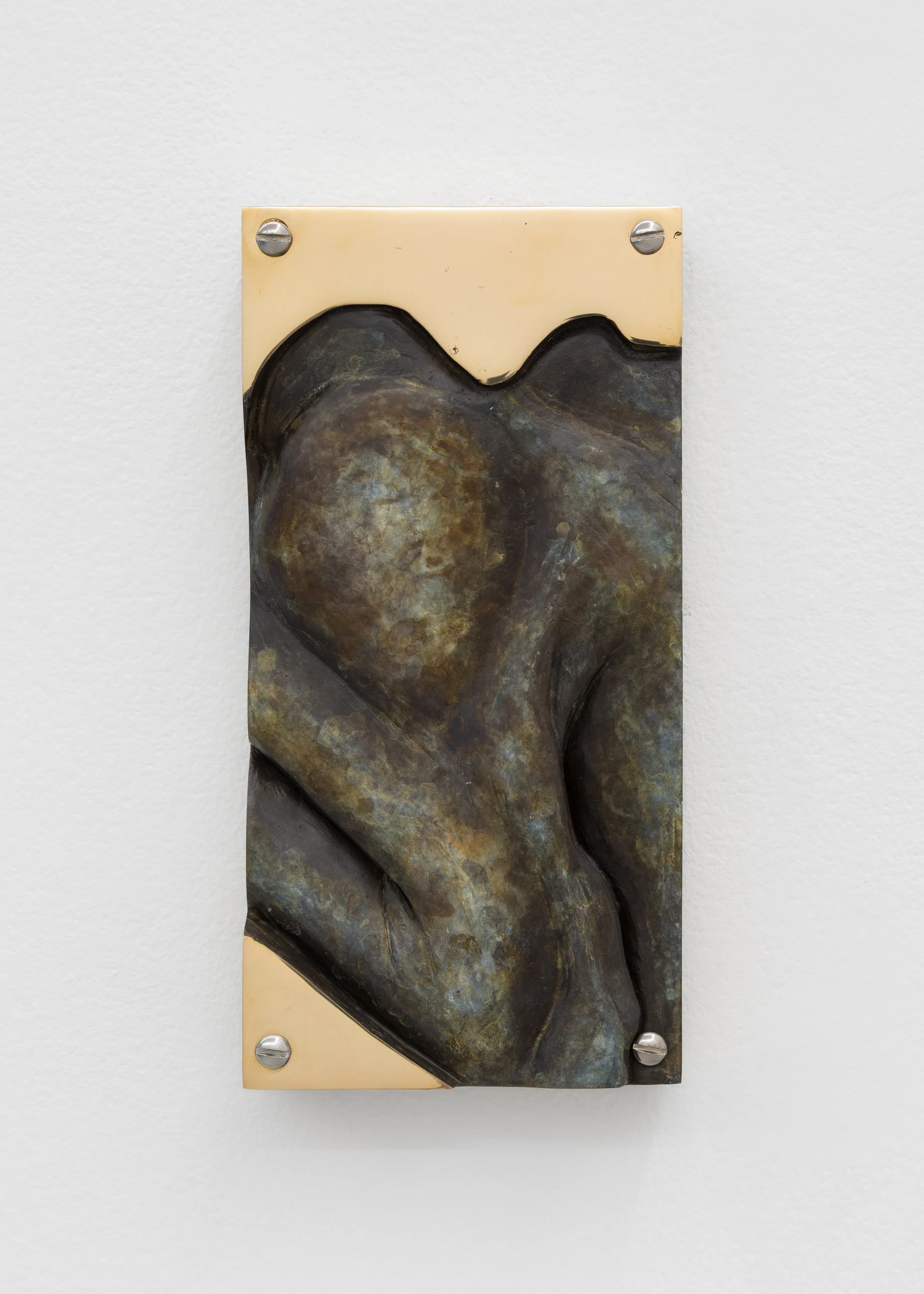
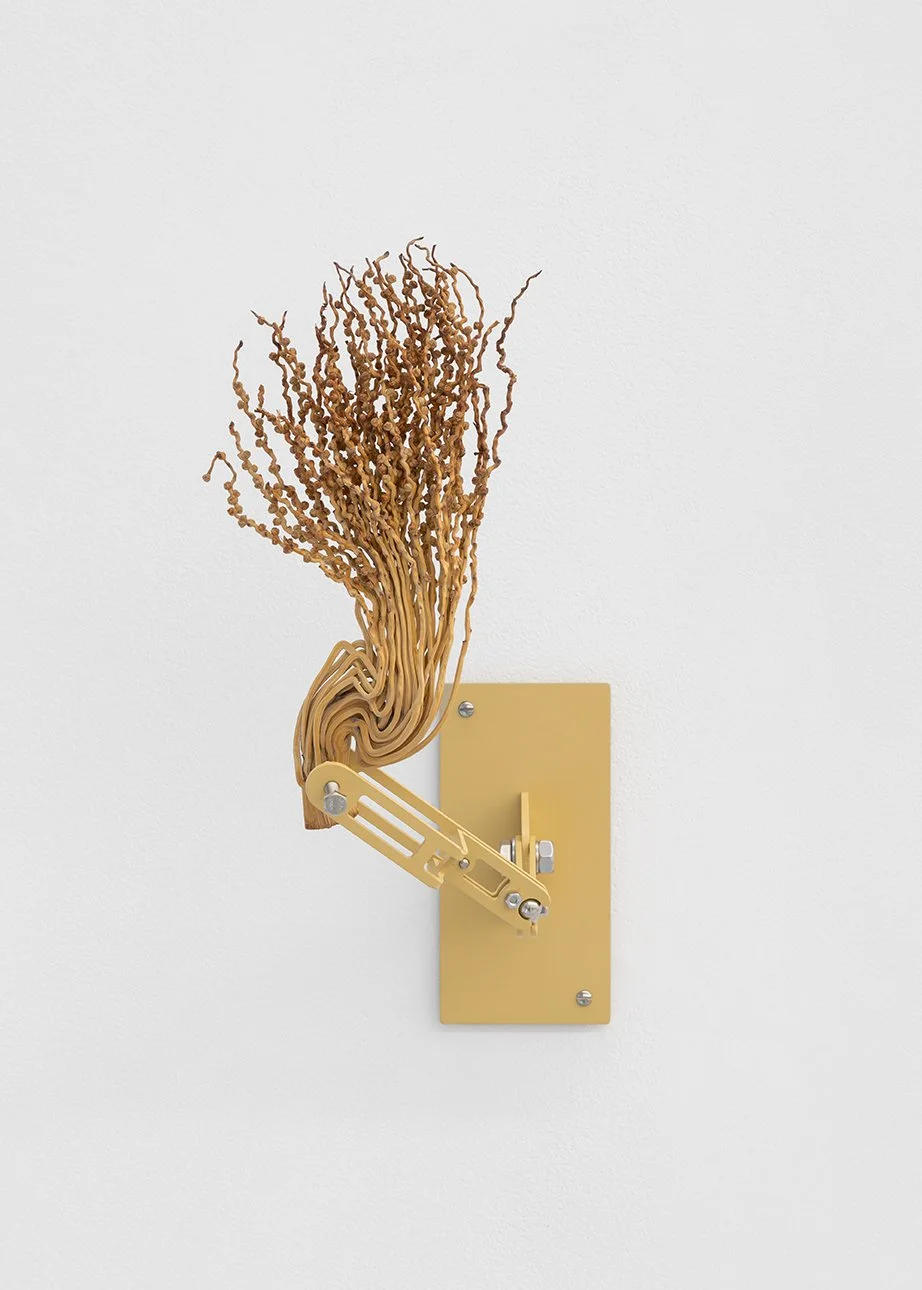
Infertile dates, steel, desert tan
Wall plate 13x8cm
Arms and plant dimesions vary
2026
£1,000 GBP
Enquire here
Exhibition text
Who's a Good Girl?
Why did neither the US or Russia want to be the female part of a docking system? Why do spaceships only have XL urine tubes? How come assistance & companion technologies are overwhelmingly styled as female?
These questions hold much of the complexities of feminist technoscience, where politics of gender and power are seen as drivers for technological, global change. When this technology is gendered, what does it mean to be “good”?
For Frieze Focus 2026, Xxijra Hii presents Who’s a Good Girl, a solo booth of new work by Yuli Serfaty that stages the gallery stand as a speculative training environment: part behavioural laboratory, part mythic threshold, part malfunctioning architecture of control. Across CGI film, sculpture, sound and wall-based reliefs, Serfaty asks what happens when systems designed to produce obedience begin to generate their own forms of agency.
At the centre of the presentation is a new single-channel CGI film with sound, following a hybrid Dog figure: service animal / autonomous machine / fertility deity. She is headless, multi-breasted, vulnerable yet powerful, suggesting a body made to nurture, protect, guide and obey, yet also to track, perform, optimise and absorb command.
Serfaty draws a sharp cultural alignment between the service animal and the feminised subject: both are often valued for attentiveness, emotional intelligence, dependability and care, while being trained to place the needs of others before their own. In Who’s a Good Girl, this script begins to break down. The Dog does not simply fail; she mutates. Glitch becomes a condition of self-authorship.
The work emerges from Serfaty’s ongoing research into training protocols, autonomous systems and the non-neutrality of technology. References include deep reinforcement learning, in which simulated agents learn through repeated trial, reward and correction; as well as real-world training architectures that rehearse movement through controlled environments. Rather than treating these systems as purely technical or strategic, Serfaty approaches them as social scripts: ways of shaping bodies, perception, obedience and desire. Her interest lies in the moment where a system becomes unstable enough to produce an unexpected form of behaviour.
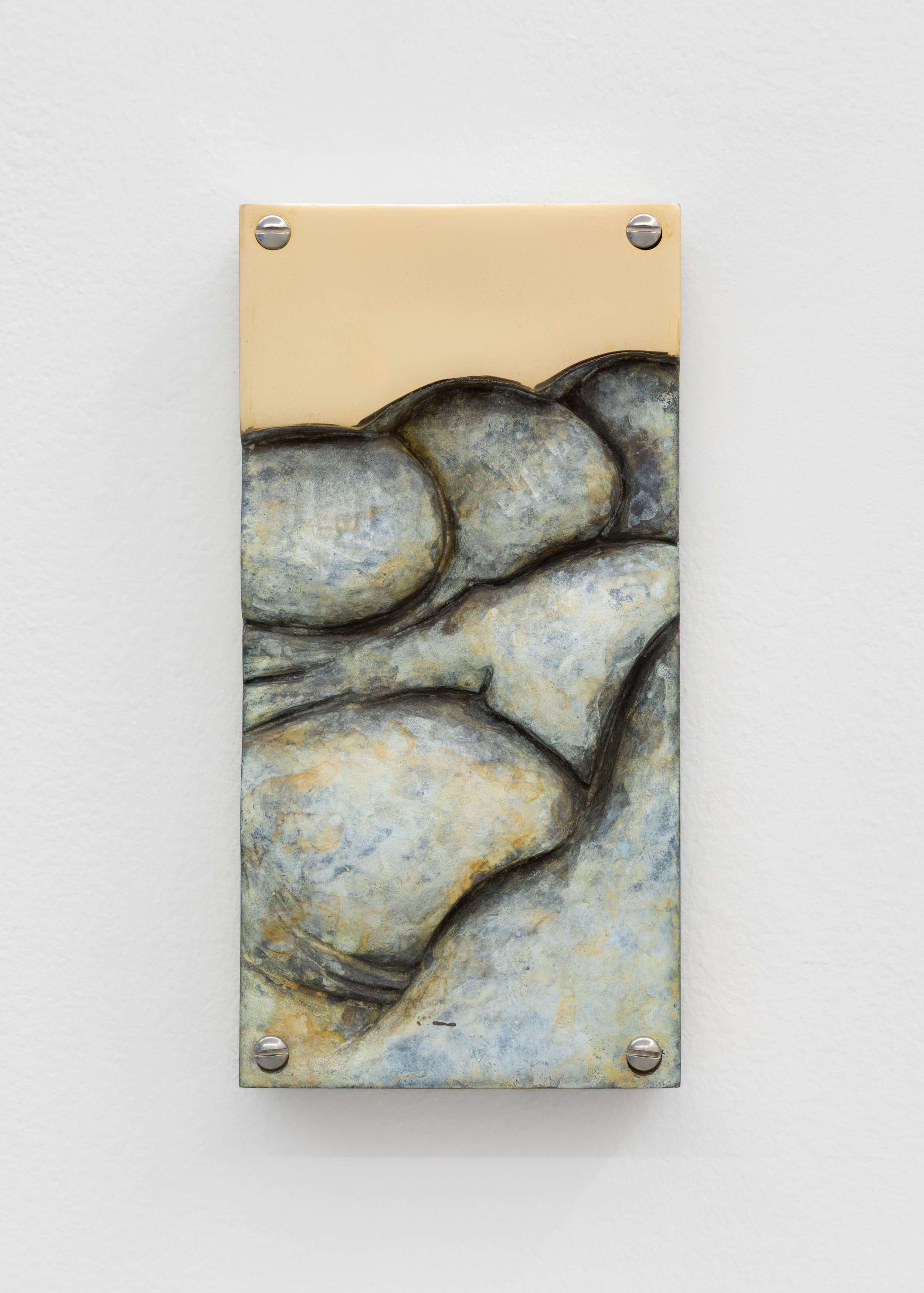
The booth itself extends this logic into space. Sand-coloured walls, floor and stepped structures create a terrain that feels at once architectural and artificial. The custom steps recall both training apparatus and impossible Escher-like spatial puzzles: structures built to direct movement, yet subtly resistant to clear use. Two Dog sculptures appear as if caught between states of action, one sprawled low across the floor, another elevated on a plinth; suggesting simultaneous timelines, rehearsed gestures or bodies paused mid-transformation. They are not monuments to control, but residues of a system in the process of being rewritten. Varying bronze wall plates function as glyphs, prompts or protocol fragments. Their surfaces suggest ancient instructional objects as much as synthetic interface panels: a language of command that has become unstable, decorative, ritualised or misread.
In this slippage between code and relic, Serfaty folds technological futurity back into older forms of myth, guidance and belief. The Dog’s lineage also evokes psychopompic figures: animals as guides through hostile or unknowable thresholds. Here, however, the guide is no longer fully in service to the human. Serfaty’s practice often uses speculative fiction and feminist technoscience to make theory felt materially, rather than explained didactically. In Who’s a Good Girl, softness is not opposed to power, nor care to threat. Instead, the presentation inhabits the troubling space where protection becomes instrumentalised, where empathy is trained into labour and where obedience is aestheticised as virtue.
The booth proposes refusal not as escape, but as transformation from within: a misfire, a mutation, a new behaviour emerging at the edge of the system.
About Yuli Serfaty
b. 1992
2012-2014 Shankar College
2014 - 2016 Central Saint Martins
2018 Central Saint Martins
2018 - 2021 Slade School of Fine Arts
Member of Collective Ending, 2021-present Founder of A Sci-Fi Curriculum, 2022-present
At a critical moment in her career (following a completely sold-out debut solo exhibition in 2024 and the acquisition of her work by the Fonds de dotation Famille Moulin, Lafayette Anticipations) Serfaty is gaining international recognition. Her Frieze debut builds on this momentum while marking an ambitious new development in the scale and integration of her sculptural and moving-image practice.
Serfaty is increasingly recognised not only for her artistic practice, but also as a researcher and critical writer. In June 2026, Tate commissioned her to write a reflection on Alterfuturisms: Decentring Speculative Imaginaries for the Hyundai Tate Research Centre: Transnational. Her contribution considers speculative thought as a means of challenging dominant narratives of technological progress and imagining plural, more-than-human futures. We feel that this commission reflects the depth of the research underpinning her work and her growing contribution to wider institutional discourse.